How Swedish Payment Regulations Shape Bonus Activation Sequences in Mobile Sports and Casino Apps
Skriven av Otto Simmons · 2026-08-26
How Swedish Payment Regulations Shape Bonus Activation Sequences in Mobile Sports and Casino Apps
Swedish payment regulations have established a structured framework that directly influences how bonus activation sequences operate within mobile sports and casino applications, and operators must align their systems with requirements from the Swedish Gambling Authority to maintain compliance while processing deposits and credits.
Regulatory Framework for Payments and Bonuses
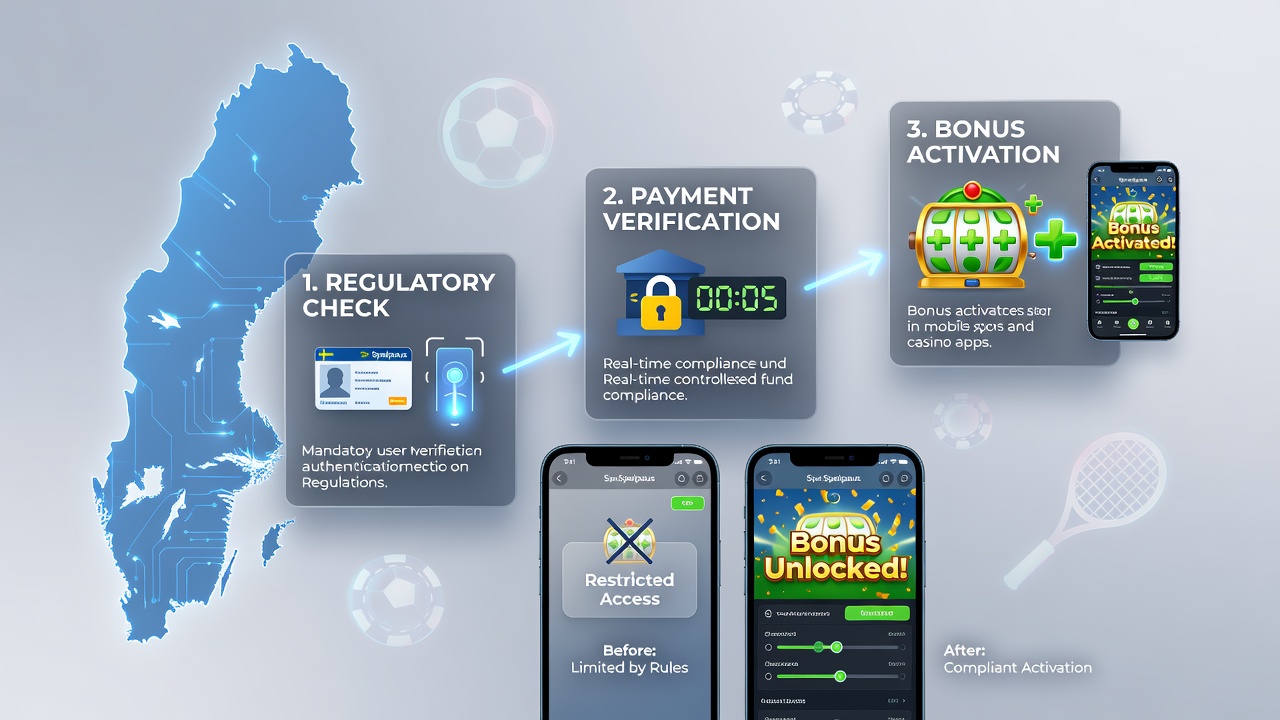
Payment rules enforced since the 2019 re-regulation mandate that licensed operators route all transactions through approved methods tied to Swedish bank accounts or verified e-wallets, which creates mandatory checkpoints in bonus activation sequences where identity verification occurs before any promotional funds appear in user accounts. Data from the Swedish Gambling Authority shows these steps reduce unauthorized access attempts by integrating real-time checks that mobile apps must complete within seconds of a deposit trigger. Researchers at European universities have documented how these protocols force developers to embed sequential logic that pauses bonus crediting until payment confirmation arrives from the financial institution.
Operators design activation flows around restrictions that prohibit certain bonus structures, such as those tied to high-risk payment channels, and this leads to standardized sequences where a user selects a bonus option, completes a deposit, and then waits for automated validation before wagering can begin. Studies indicate that apps handling sports betting often sequence bonus releases after match-specific deposits, whereas casino apps apply similar gates during slot or table game initiations to comply with turnover requirements.
Effects on Mobile App Development and User Flows
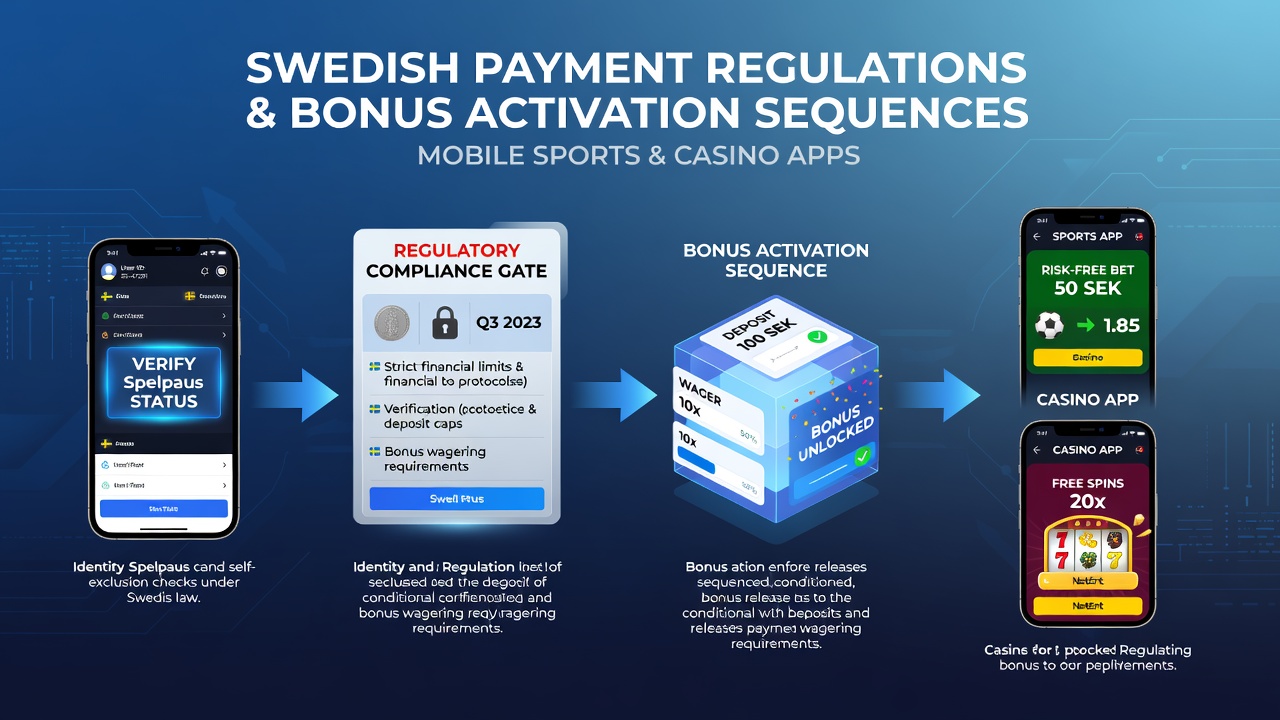
Development teams incorporate payment regulation constraints into app architecture by building modular sequences that adapt based on transaction type, and this approach allows sports betting sections to activate deposit-matched bonuses only after funds clear while casino modules delay free spin credits until payment rails confirm legitimacy. Observers note that these adaptations result in smoother experiences for users who use instant bank transfers, as the system can verify and activate promotions without extended delays compared to older card-based methods.
Sequence Variations Across App Types
- Sports apps typically trigger bonus activation immediately post-deposit verification, followed by wager requirements that must accumulate across multiple events before withdrawal eligibility.
- Casino apps insert additional layers where bonus funds convert to playable credits only after a set number of rounds, aligning with rules that cap maximum stakes during promotional play.
- Hybrid apps combine both by routing users through a unified payment gateway that feeds data into separate activation engines for sports and casino bonuses.
What's interesting is how these sequences evolve with updates to acceptable payment providers, since adding a new verified method requires recalibrating the entire activation pipeline to avoid compliance gaps that could halt bonus releases mid-process.
Implementation Challenges and Compliance Adjustments
Companies face ongoing adjustments as payment regulations tighten verification standards, and this pushes teams to refine activation sequences with fallback options that maintain functionality when primary bank links encounter temporary issues. Evidence from industry reports reveals that mobile platforms now include timestamped logs of each sequence step to demonstrate adherence during audits, covering everything from deposit receipt to bonus credit assignment. Those who manage large user bases often discover that sports event timing influences sequence design, since bonuses tied to live matches require faster payment processing to activate before odds change.
August 2026 marks a period when further refinements to cross-border payment rules are scheduled to take effect, prompting developers to prepare sequences that handle updated authentication layers without disrupting existing bonus flows in both sports and casino sections of their apps. According to analyses from the European Gaming and Betting Association, these changes build on existing mandates and emphasize secure data exchange between operators and financial entities.
Broader Industry Patterns and Data Trends
Research indicates that regulated payment environments correlate with higher completion rates for bonus sequences because users encounter fewer interruptions once verification succeeds, and this pattern appears consistently across apps serving Swedish markets. One study revealed that operators investing in integrated payment APIs reduced activation failures by streamlining the handoff between deposit confirmation and promotional credit distribution. People who track these developments note that casino apps tend to feature more complex sequences due to game variety, whereas sports apps prioritize speed to align with real-time betting opportunities.
Additional links appear in select articles from academic sources such as European Parliament reports on digital gambling standards, which examine how national payment rules intersect with mobile technology requirements across member states. Another reference comes from research published by institutions studying Nordic markets, highlighting similar activation patterns in comparable regulatory settings.
Conclusion
Swedish payment regulations continue to dictate the precise order and timing of bonus activation sequences in mobile sports and casino apps through mandatory verification and compliance checkpoints. Operators adapt their systems accordingly, resulting in flows that prioritize security and regulatory alignment while supporting varied user interactions. As adjustments approach in August 2026, these sequences will likely incorporate new elements that maintain the established balance between accessibility and oversight.